

SHARE

Share this calculator!

MoneyTips Home Loan Repayment Calculator

Calculate home loan repayments with our Home Loan Repayment Calculator. View detailed amortization charts, compare loan terms, and plan your mortgage with confidence.

Calculator results are estimates only and not quotes. Actual quotes will be provided by licensed brokers after you submit an enquiry.

Home Loan Details:

Remember to make allowance for stamp duty, rates, insurance or other costs to be included in the loan where applicable.
Enter whole numbers only please, no dots, commas etc.

If you have a deposit or equity in an existing property, include the amount here
Enter whole numbers only please, no dots, commas etc.

(if applicable)
Select the number of years over which you would repay the loan.

A longer Loan Term will mean lower monthly repayments but at a higher cost overall.


The options below are indicative of what lenders currently offer.

Years
Select an interest rate for the calculator simulation.
The range of rates listed below are representative of those currently available.

Your actual rate can only be confirmed after you apply.


% per Annum
calculate
Home Loan Repayment Calculator

Important!

Home Loan Interest Rates differ from lender to lender and will depend on your individual circumstances (credit history, employment status, age, etc.). To find out if you qualify ... and for a free, personalised interest rate and repayment quote, please CLICK HERE

Home Loan Amortisation Calculator

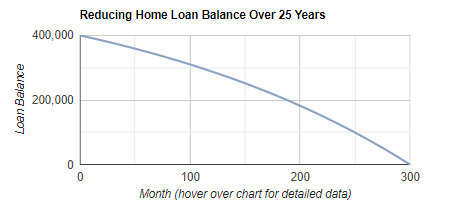
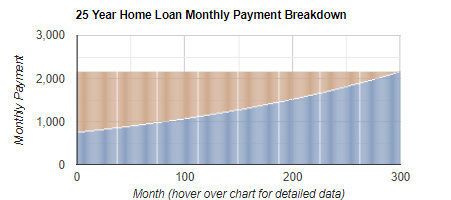
The following amortisation graphs detail month-by-month data on the progress of the proposed loan. The first chart below examines the reducing loan balance over the course of the finance contract term. The second graph illustrates the portion of each monthly repayment allocated to payment of interest vs principal reduction.

Home Loan Repayment CalculatorHome Loan Repayment Calculator

How to use our Home Loan Repayment Calculator

Our Home Loan Repayment Calculator helps you estimate your mortgage repayments in Australia and understand how a loan may reduce over time. It is useful for budgeting, comparing loan terms, and visualising an amortisation schedule (how each repayment is split between interest and principal). The calculator is designed for planning only and works best when you enter realistic assumptions.

Important information: Results are estimates only and do not constitute a quote. Interest rates and loan features vary by lender and may change. This information is general and does not take into account your objectives, financial situation or needs. Consider whether it is appropriate for you and seek professional advice if required.

How to complete the calculator fields (in order):

1. Purchase Price: Enter the property purchase price. If you expect to borrow extra for costs, you may choose to include amounts such as stamp duty, insurance, and other buying costs in this figure so your estimate reflects your likely loan size. Enter whole numbers only (no dots or commas).

2. Deposit or Equity Value: Enter your cash deposit or usable equity from another property (if applicable). A higher deposit generally reduces the loan amount and can lower repayments. Enter whole numbers only (no dots or commas).

3. Term of Loan (years): Select the number of years to repay the loan. Longer terms usually reduce repayments but increase total interest paid over the life of the loan.

4. Interest Rate (% per annum): Select an interest rate for the simulation. Use a realistic rate and consider testing higher rates to understand “rate rise” risk.

5. Calculate: Click calculate to generate your results.

How to interpret the results:

1. Repayment estimate: Use this as a starting point for affordability checks, remembering real loans may include fees and different features.

2. Amortisation charts: Review the loan balance chart to see how your balance falls over time, and the interest versus principal chart to understand how early repayments are typically interest-heavy, then shift toward principal reduction later.

3. Compare scenarios: Adjust the term, deposit/equity, or interest rate and recalculate to compare loan terms and see how changes affect repayments and total interest over time.

Share this calculator:

MoneyTips Subscription Articles

Saving for Your Child's Future: Education Funds and Beyond
As young families embark on the journey of raising children, financial planning becomes an essential tool to ensure a stable future. With the rising costs of education and living expenses, it's crucial to put plans in place early. By doing so, families can alleviate stress and focus on what matters most: their children's growth and development. - read more
Budgeting for Baby: Smart Savings Strategies for New Mothers
Congratulations on embarking on the incredible journey of motherhood! This exciting chapter brings with it a world of joy and new experiences. Whether you're a first-time mum or welcoming another little one into your family, it's a time filled with love, learning, and new responsibilities. - read more
Investing 101: A Beginner's Guide for Australian Adults
Investing means putting money into assets with the aim of earning income or achieving growth over time. For Australian adults, understanding the basics can help you make more informed decisions about shares, bonds, property, managed funds, ETFs and other investment options. - read more
Cost-Cutting 101: Effective Strategies for Reducing Operational Expenses
In today's fast-paced business environment, understanding the importance of cost-cutting is crucial. Operational expenses can quickly add up, impacting the bottom line and overall financial health of a business. For many Australian businesses, maintaining a competitive edge means keeping a close eye on costs while striving for efficiency. - read more
Understanding Financial Anxiety: What It Is and Why You Feel It
Financial anxiety is a type of stress specifically associated with financial matters. It can encompass worries about savings, debt management, and future financial security. This type of anxiety often impacts emotional well-being and can lead to physical symptoms such as headaches, insomnia, and elevated stress levels. - read more